
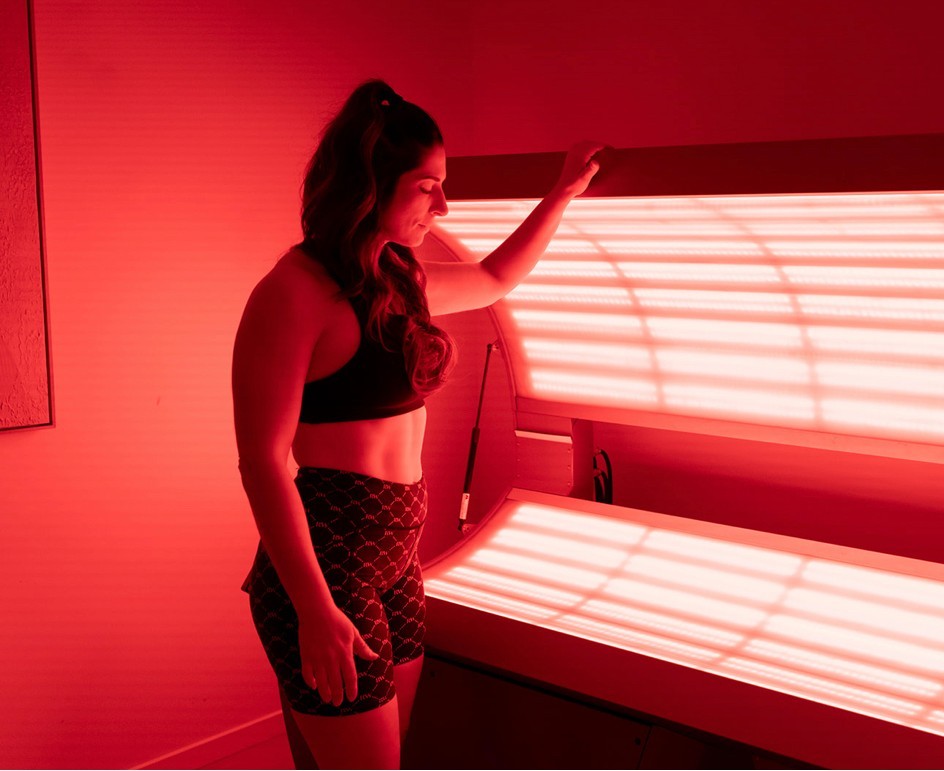

In recent years, LED treatment machines have emerged as a revolutionary solution in the realm of skincare and medical therapies. Utilizing specific wavelengths of light, these devices aim to address a variety of skin concerns, ranging from acne and pigmentation to signs of aging. As the beauty and wellness industries increasingly leverage technology, understanding the benefits and mechanisms of LED treatment machines has become essential for both professionals and consumers alike.
This article delves into the science behind LED therapy, exploring how different light colors interact with skin tissues to promote healing and rejuvenation. We will also examine the growing popularity of these machines in both clinical and at-home settings, offering insights into their applications and the potential outcomes they can deliver. Join us as we illuminate the world of LED treatment machines and their transformative effects on skin health.
The Science Behind LED Therapy
LED therapy operates on the principle that different wavelengths of light affect skin tissues in unique ways. For instance, red light is known for its ability to stimulate collagen production, making it effective in reducing fine lines and wrinkles. Blue light, on the other hand, targets acne-causing bacteria, offering a solution for those struggling with breakouts. This targeted approach allows skincare professionals to tailor treatments according to individual skin concerns, making LED machines not only versatile but also highly effective. With the right LED Treatment Machine Supplier, practitioners can ensure they are using cutting-edge technology to harness these benefits.
Applications and Popularity
The application of LED treatment machines has surged in both clinical environments and home skincare routines. Clinics utilize these devices for professional treatments that can enhance results, while at-home devices provide convenience and consistent skincare maintenance. The ease of use and minimal side effects have contributed to their growing popularity among consumers, who seek effective solutions for various skin issues. As awareness of the benefits continues to spread, LED therapy is poised to become a staple in the skincare regimens of many.
In conclusion, the rise of LED treatment machines marks a significant advancement in skincare technology, merging efficacy with convenience. As consumers become more informed about the specific benefits of different light wavelengths—such as red light for anti-aging and blue light for acne treatment—they are increasingly integrating these devices into their daily routines. The versatility and minimal side effects of LED therapy not only offer a customizable approach to skincare but also empower individuals to take charge of their skin health. As this innovative treatment continues to gain traction, it is clear that LED therapy will play a vital role in the future of both aesthetic and therapeutic skincare practices, providing transformative results for users at all levels of experience.