
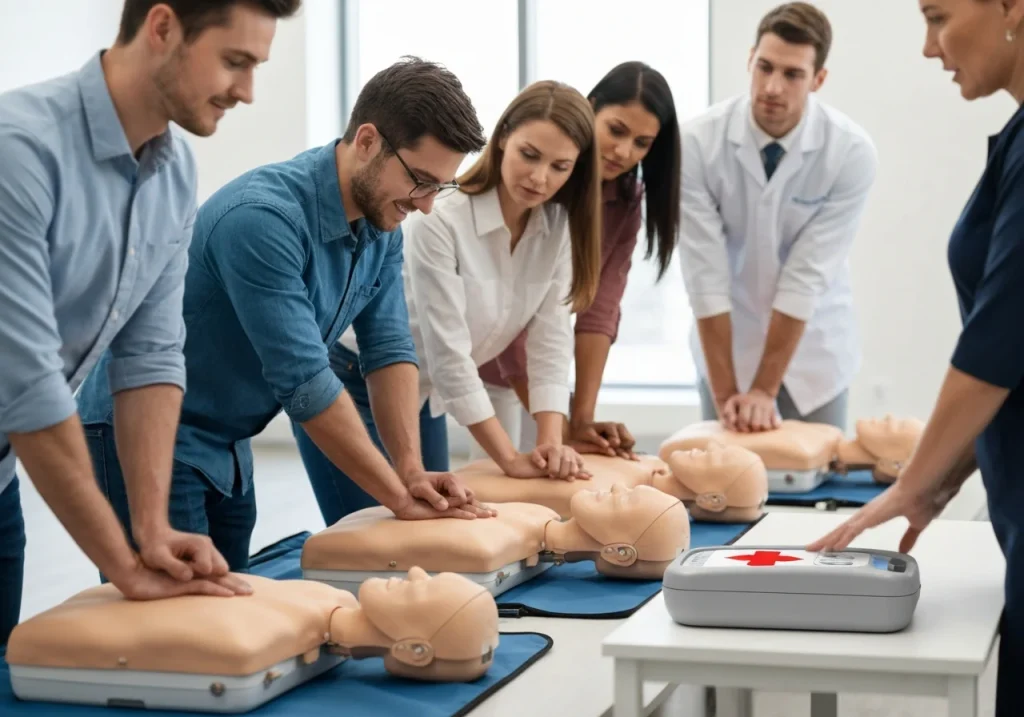

In today’s fast-paced world, knowing how to perform CPR (Cardiopulmonary Resuscitation) can mean the difference between life and death in emergency situations. As heart attacks and other medical emergencies can happen at any moment, being prepared with the right skills and knowledge is essential for everyone. A CPR certification class equips individuals with the necessary techniques to respond effectively and confidently, whether at home, work, or in public spaces.
These classes not only cover the fundamentals of CPR but also delve into other lifesaving skills, such as how to use an AED (Automated External Defibrillator) and perform rescue breaths. Participants gain hands-on experience through practical demonstrations and simulations, ensuring they leave the class ready to act in real-life situations. With a variety of options available, including in-person and online courses, attaining CPR certification has never been more accessible or important for community safety.
Importance of CPR Training
Mastering CPR techniques is not solely about knowing how to administer chest compressions; it’s about cultivating a sense of readiness and empowerment. By enrolling in a cpr certification class, individuals can significantly enhance their ability to respond to emergencies while also fostering a culture of safety within their communities. These courses are designed to teach participants how to recognize cardiac arrest signs, respond quickly, and effectively provide aid until professional help arrives.
Lifesaving Skills Beyond CPR
In addition to CPR, these classes introduce participants to life-saving techniques such as using an AED, handling choking incidents, and providing first aid. The hands-on training ensures that learners can practice these skills in a controlled environment, solidifying their knowledge and increasing their confidence. Armed with these vital skills, individuals become better equipped to protect the lives of loved ones and bystanders, ultimately creating a safer environment for everyone.
In conclusion, participating in a CPR certification class is not just an educational experience; it is a crucial step toward becoming a proactive and responsible member of society. The ability to perform CPR and related emergency techniques empowers individuals to act decisively in life-threatening situations, potentially saving lives when every second counts. By mastering these skills, participants not only enhance their personal preparedness but also contribute to a broader culture of safety and awareness in their communities. As the importance of immediate response in medical emergencies cannot be overstated, investing in CPR training is a meaningful way to ensure that you and those around you are ready to respond effectively in times of crisis.