
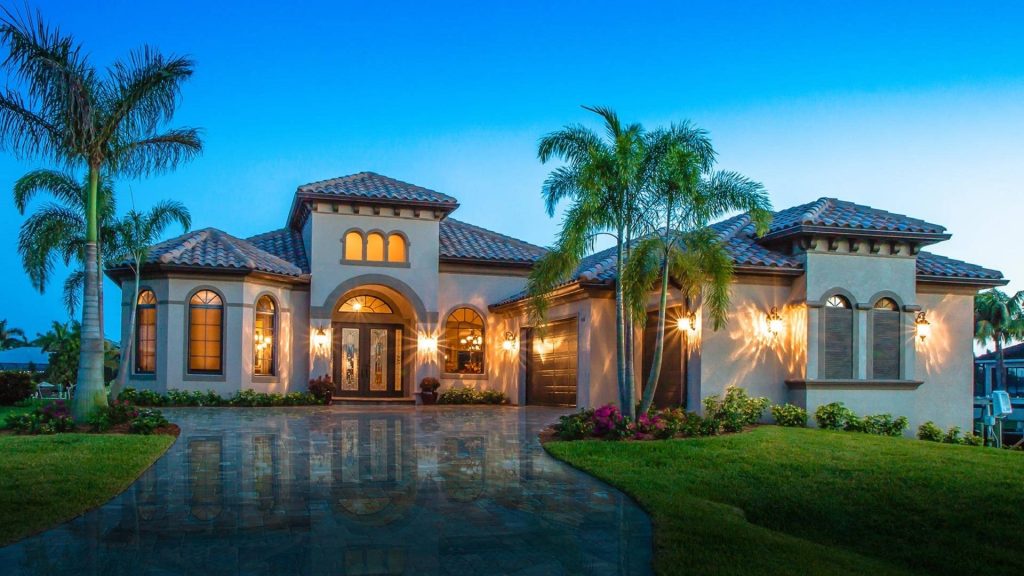

Building a house on your own land is an exciting endeavor that allows you to create a personalized sanctuary tailored to your lifestyle and preferences. This journey can be both rewarding and challenging, as it involves careful planning, budgeting, and navigating a myriad of decisions from design to construction. Understanding the essential steps before breaking ground will not only streamline the process but also ensure that your dream home is built to last.
In this article, we will guide you through the vital considerations and stages of building a house on your property. From selecting the right architectural style and obtaining necessary permits to managing contractors and maintaining a realistic timeline, we will provide insights and tips to help you make informed decisions every step of the way. Whether you’re a first-time builder or an experienced homeowner looking to expand, this resource aims to empower you in creating a space that reflects your vision and enhances your everyday life.
Planning and Design Considerations
One of the first steps in building your house is to develop a comprehensive plan that aligns with your vision for the space. This involves choosing an architectural style that resonates with your personal taste and fits harmoniously within the neighborhood. You should also consider the layout of the home, ensuring that it caters to your daily activities and future needs. Engaging with an architect or designer can be invaluable during this phase. They can help translate your ideas into practical designs while adhering to zoning laws and building codes. For a more in-depth exploration of this process, refer to the Home Comfort Experts guide, which offers step-by-step insights tailored for prospective homeowners.
Budgeting and Managing Construction
Establishing a realistic budget is crucial in ensuring your project stays on track financially. This includes not only the construction costs but also fees for permits, utilities, landscaping, and finishing touches. Once your budget is set, you will need to manage the construction process effectively, which may involve hiring contractors or subcontractors. Clear communication is key in this stage to avoid misunderstandings and delays. Regular site visits can help you monitor progress and make necessary adjustments to stay within budget and meet your timeline. Remember that flexibility can be important, as unexpected challenges may arise during construction.
As you approach the final stages of building your house, it’s essential to focus on the finishing touches that will truly make it your home. This includes selecting fixtures, paint colors, and furnishings that reflect your personal style and enhance the functionality of the space. Don’t overlook the importance of landscaping, which can significantly boost your property’s curb appeal and create a welcoming atmosphere. Before moving in, ensure that all inspections are completed and that you have received the necessary certifications to guarantee that your new home is safe and compliant with all regulations. This journey will have its obstacles, but by remaining adaptable and maintaining clear communication with your team, you can turn the dream of a house on your land into a reality. Ultimately, the culmination of your effort, creativity, and dedication will be a beautiful testament to your vision, ready to welcome friends and family for years to come.