
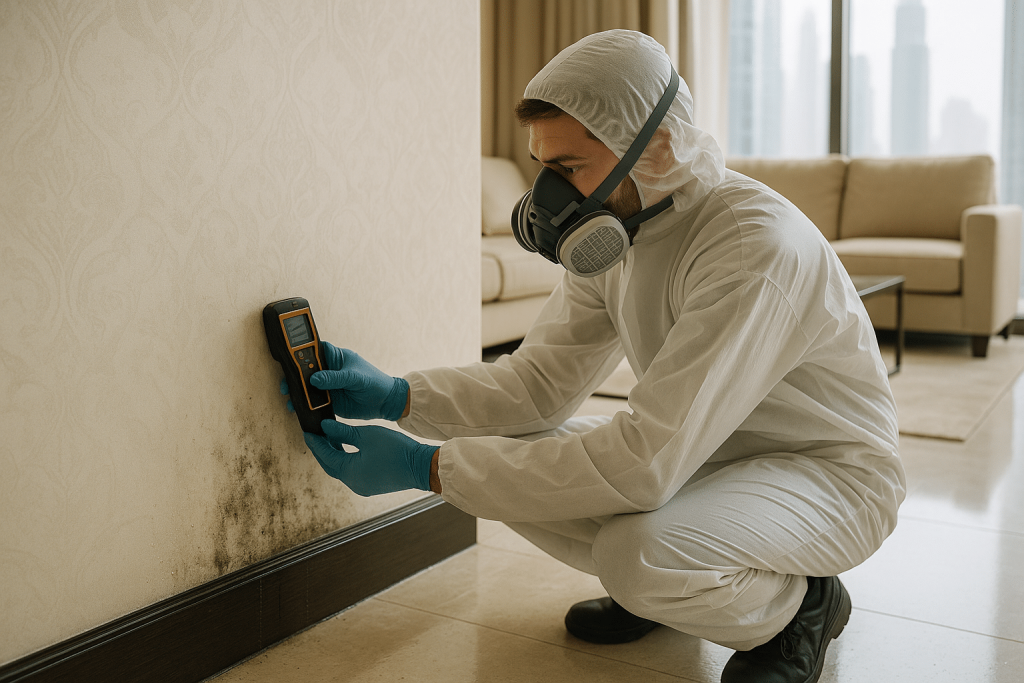

Mold inspection is a crucial process for maintaining a safe and healthy living environment. Mold can grow in various settings, often thriving in damp or humid areas, and can lead to significant health issues and property damage. Recognizing the importance of early detection, many homeowners and property managers seek professional mold inspection services to identify potential issues before they escalate. This article delves into what mold inspections entail, their significance, and how they can prevent further complications related to mold infestations.
In addition to understanding the inherent dangers of mold, it is vital to comprehend the inspection process itself, including the techniques and tools experts use to detect mold presence. A comprehensive mold inspection not only identifies existing mold but also assesses moisture levels and potential sources of humidity that contribute to mold growth. By highlighting the importance of timely inspections and effective remediation strategies, this article aims to equip readers with the knowledge necessary for safeguarding their homes and families from the perils of mold exposure.
The Mold Inspection Process
A thorough mold inspection involves several key steps, beginning with a visual assessment of the property to identify obvious signs of mold, such as discoloration or a musty odor. Inspectors use specialized tools, like moisture meters and thermal imaging cameras, to detect hidden moisture sources that may be feeding mold growth. This proactive approach can unearth potential problem areas, such as leaky pipes or poor ventilation systems, which homeowners may not readily notice. Understanding the dynamics of mold-related conditions, property owners can make informed decisions about necessary remediation or repairs. For those in need of expert help, services such as mold inspection Los Angeles provide comprehensive evaluations to combat mold issues effectively.
The Importance of Timely Remediation
Addressing mold problems promptly is essential to minimize health risks and prevent extensive property damage. Once an inspection identifies mold, immediate action is necessary to remediate the affected areas. Delaying remediation can lead to increased health complications for occupants, particularly for individuals with respiratory conditions or weakened immune systems. Furthermore, the longer mold is allowed to grow, the more costly the remediation process can become as structural components may become compromised. By prioritizing regular mold inspections and fast remediation efforts, property managers and homeowners can safeguard not only their property but also the well-being of those who reside within it.
In conclusion, mold inspection is a vital proactive measure for ensuring a safe living environment and protecting both health and property. By regularly engaging in thorough inspections, homeowners and property managers can identify potential mold growth early, thus minimizing health risks and mitigating costly damage. The process encompasses a meticulous evaluation of visible signs, moisture levels, and potential sources, allowing for informed decision-making regarding remediation. Ultimately, understanding the significance of mold inspections empowers individuals to take necessary actions that not only preserve their homes but also promote a healthier lifestyle for their families and occupants. Regular vigilance combined with timely intervention can effectively combat mold issues, fostering safer indoor spaces for all.